
Reception of foreign literature in India
On Selective Globalism and Cultural Resonance
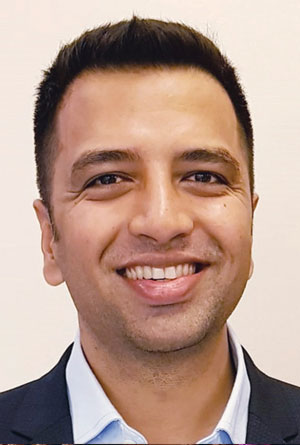
As Indian readers, especially the young, negotiate between global exposure and a renewed pull towards local voices, foreign books succeed only when they offer strong emotional resonance, accessible formats and clear relevance. Pranav Johri, Partner at Rajpal & Sons outlines the structural and cultural challenges foreign literature faces in India, and explains how thoughtful acquisition, smart formats and community-led discovery could define its future.
Is there demand for foreign literature in India today and which genres work and why?
 There is a niche demand for foreign literature in India. In terms of specific genres, the following do well: Manga and graphic illustration books, powered by fast-paced visual narratives, affordable paperback prices and as box sets; Fantasy & sci-fi with immersive worlds do well with young readers; Literary fiction with a strong sense of place and Self Development non-fiction: Psychology, creativity, productivity, emotional development, climate, and business storytelling (narrative-driven, not textbookish). Short chapters and clear takeaways lead to high adoption in young professional readers.
How receptive are Indian readers to translations?
The centre of gravity is moving home—from imported ideas and contexts to Indian cultural memory. There’s a shift from foreign translations to rediscovered Indian originals—classics, Bhakti/Sufi poets, Partition and Freedom-movement narratives, and similar themes.
We are seeing a curriculum and cultural pull toward local content—schools, libraries, and literary festivals giving increasing space to regional and national classics. Younger readers increasingly ask for storytelling that sounds like their own streets and idioms. Imported sensibilities and contexts can feel distant, even when well translated.
What are the challenges foreign literature faces in India and how can they be overcome?
Discoverability vs. Algorithmic Online Retail: Online marketplaces (which account for more than 50% of the sales) reward speed and familiar names, and little known translations don’t do well. Strong metadata/keywords, author-led content and influencer micro-video could help online discovery, paired with launches with campus and bookstore events could help create offline demand.
Price Sensitivity & Cost of Translations: Translation costs, rights, and printing costs push the price beyond affordable range. Multiple formats (affordable paperback + premium HB/box set) and smaller first prints with fast reprints could help. Keeping eBooks and audioBooks at a price-parity could also help to encourage sampling without cannibalizing print.
Cultural Resonance: Great books can feel distant in a very different context. Commissioning context notes, maps, and adding an India-specific foreword could be ways to overcome this. One should market the emotions like friendship, work, love, identity and not the book’s origin as the selling pitch.
Rights Lengths & Marketing Windows: Late Indian editions miss global buzz. Negotiating simultaneous or near-simultaneous India releases and insisting on longer backlist availability so that demand compounds over time are some ways to generate excitement.
What is the future of foreign literature in India?
The future of foreign literature in India is selective. It will grow, but not as a monolith. There will be demand for content that feels emotionally relatable, price-accessible, and easy to sample. Digital formats like ebooks and audiobooks will drive sampling; print remains the primary format for keepers, box sets, and gifts. Book clubs, campuses, indie stores, and creator-led reels – marketing content that develops communities will matter more than ads and paid promos.
Pranav Johri is Partner, Rajpal & Sons, which is one of the oldest independent literary publishing houses in India. Its French list includes authors like Patrick Modiano, David Foenkinos, and Amelie Nothomb. The publishing house won the inaugural Romain Rolland Prize in 2018 for its Hindi edition of Patrick Modiano’s “Rues des Boutiques Obscures.”
Comments are closed.