
Booker Winners spark literary magic in Delhi with Heart Lamp
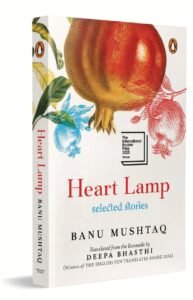
Heart Lamp, written by Banu Mushtaq and translated by Deepa Bhasthi, won the prestigious International Booker Prize 2025. This powerful collection of short stories, originally in Kannada, explores themes of gender, identity, and justice. During their recent visit to Delhi, Banu and Deepa interacted warmly with readers and book lovers. From book signings and interviews to meet-and-greet sessions and in-depth discussions, the duo participated in a marathon of engaging events—making themselves accessible, gracious, and truly inspiring.
– By Smita Dwivedi
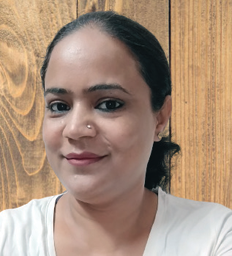 In one such literary event that brought together readers, writers, and lovers of language, I had the chance to listen to two remarkable women—Banu and Deepa. What unfolded was not just a conversation about literature but about lived experiences, identity, memory, and the quiet power of storytelling in fractured times. Presented here is an excerpt from that event—a reflection on writing, translating, and what it means to hold space for truth in multiple tongues.
A Timely Book for Today’s India
Though originally written years ago, the stories in Heart Lamp remain startlingly relevant today. As Banu pointed out, “Every story in Heart Lamp came from a place of urgency. These were not just narratives; they were responses to the world around me. Many of the stories were written during times of growing communal tensions. There was no need to revisit or edit them later, they were timely then and, sadly, remain relevant even now. These are stories rooted in our social history, born from real anxieties and the desire for communal harmony.”
 Translator-Writer: Creating aThird Text
As per Deepa, any literature when translated becomes the third text. “For me, translation is not about erasing yourself to serve the text; it’s about bringing your own truths into the process. These stories were so layered, with gender, politics, community and I didn’t want to do a word-for-word translation. I don’t believe in ‘consuming’ art—I believe in experiencing it. My own experiences, what I’ve read, seen, lived through, they all shaped which stories I chose to translate and how I translated them,” Deepa elaborated.
“I didn’t want to dilute anything. If anything, I wanted to make sure the English version had the same sharp edges as Banu’s original. And I see this translation as a “third text”not entirely Banu’s anymore, but not just mine either. It exists between us. I brought my own feminist sensibilities, my politics, and my sense of language to it,” she further added.
Against Italics: Preserving Authenticity
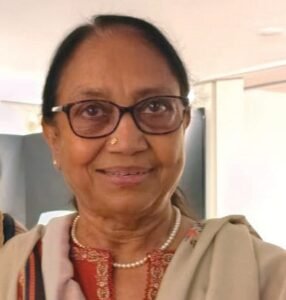 The choice not to italicise Kannada words, explained in the translator’s note “Against Italics”, goes against the usual way translations make non-English words seem strange or foreign. By keeping the original words un-translated and blending them smoothly into the English text,Deepa invites readers to engage directly with the cultural context without distancing or diluting it. This deliberate refusal to ‘hand-hold’ encourages active reading and preserves the authenticity of the narrative’s voice. Rather than creating barriers, this approach bridges languages, making the unfamiliar feel immediate and real.
As Deepa explained, “Italicising a word signals to the reader that it’s foreign or strange, when for many it is everyday language. I wanted to keep the flow natural and honour the lived reality behind the words. The result is a translation that respects both the original language and the reader’s intelligence, enriching the reading experience with subtlety and integrity.”
Then & Now
When asked about how society has changed over the years, Banu responded with quiet urgency, “It’s worse now.” She further added, “During my younger days, I had many restrictions. I had to return home by 5 PM—there was no scope for being even a minute late. I was told not to speak with boys, and the environment was heavily controlled. Still, there were openings for education—women could study, take up jobs, earn. But despite this outward progress, patriarchy remained deeply rooted.Even today, though things appear to have changed, the situation is worse in some ways—it is becoming institutionalised. Today, when women have more freedom, society continues to dictate and subjugate them.”
New Chapter: After the Booker Prize
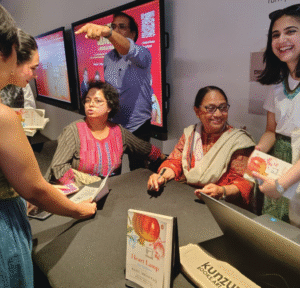 Now that Heart Lamp exists in both Kannada and English, it carries renewed meaning for both Banu and Deepa. For Banu, the wider reach brings quiet satisfaction—her stories, rooted in the lived realities of a community and its struggles, now have the chance to touch more lives. She sees them as vessels of truth, memory, and perhaps even healing. Deepa, who translated and shaped the English edition, views it not as a replica but as a new literary creation. This version, she hopes, will take the emotional and political force of the stories into new spaces—sparking conversations around identity, justice, and empathy where they’ve never travelled before.
More Than a Book
At its heart, Heart Lamp is more than a literary work. It is a call for empathy, coexistence, and social awareness. It is a testament to how fiction, when rooted in truth, can shine a light on the darkest corners of society. Through this remarkable collaboration between Banu Mushtaq and Deepa Bhasthi, the book has now reached a wider audience—bridging languages, communities, and generations.
Comments are closed.